
— The Woven Threads Team.
Care begins with connection.
The people behind Woven Threads help create a space that feels warm, thoughtful, culturally responsive, and steady from the first point of contact through ongoing care.
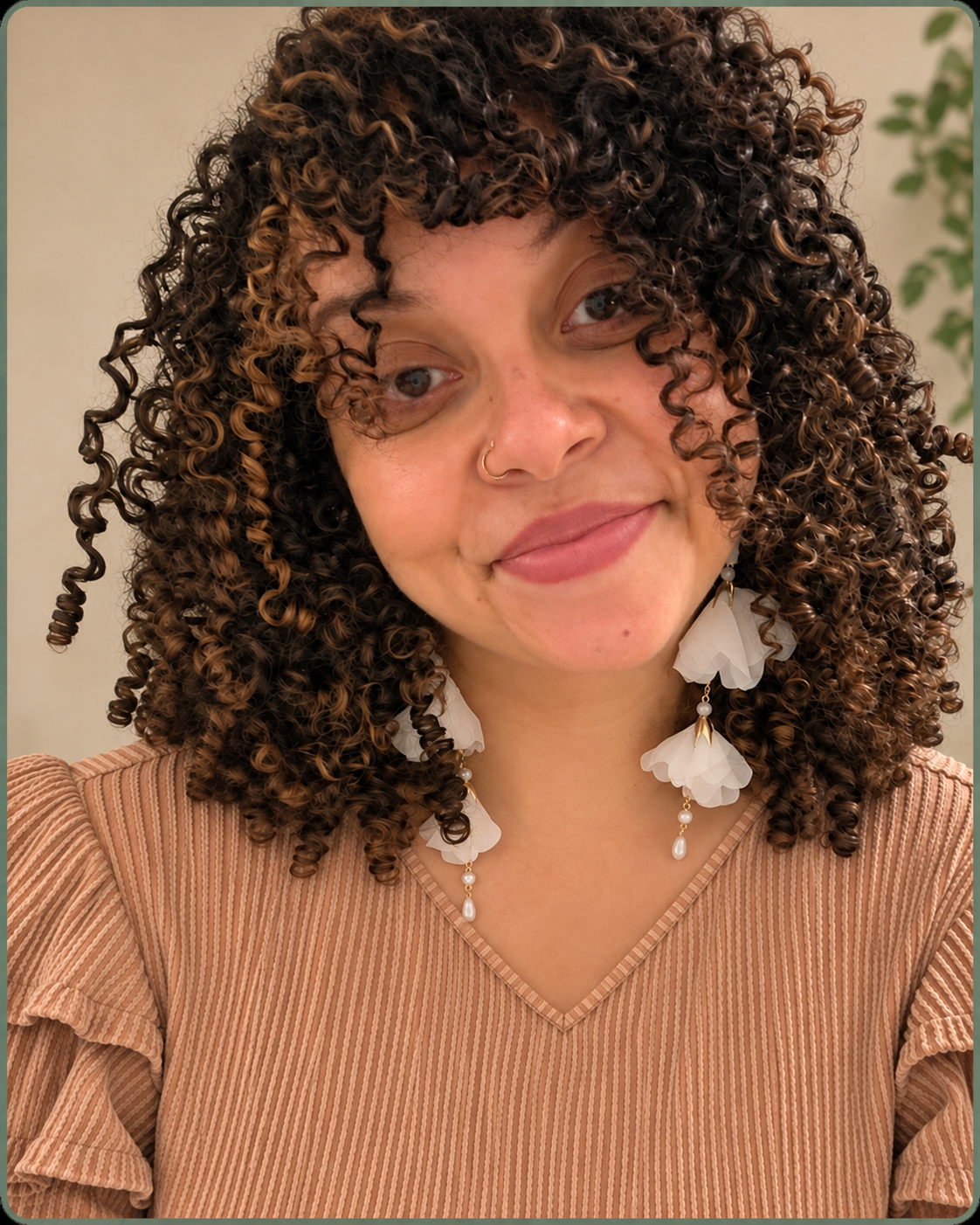
Dr. Hebah Khalifa
Founder / Clinical Director/ psychotherapist
Pronouns: She/Her
Pronunciation: HIB-ah kuh-LEE-fuh
A Space to Be Seen, Heard, and Understood
As a first-generation American of Afro-Arab descent, Hebah knows what it can feel like to navigate different cultural expectations and still wonder where you can be fully understood. She founded Woven Threads Psychotherapy to make room for those experiences and for the many parts of your life that shape who you are.
Areas of Support
Hebah works with adults navigating anxiety, trauma, questions of identity, relationship challenges, and life transitions. You might come to therapy because you’re caught between what others expect and what you need, or because a familiar pattern keeps showing up and you want to understand why.
Therapeutic Approach
Hebah takes a relational, trauma-informed approach shaped by your culture and grounded in social justice. Your work together might focus on relationships through interpersonal therapy (IPT), on rethinking familiar stories and beliefs through narrative therapy and cognitive restructuring, or on processing difficult experiences through EMDR and somatic practices. Hebah will meet you where you are, checking in along the way so you can decide together what feels helpful and adjust as your needs change.
What You Can Expect
You don’t need to have the right words or a clear goal before you begin. Hebah will work alongside you to make sense of what you’ve been carrying, notice patterns with less judgment, and reconnect with your needs and strengths. You’ll move at a pace that gives you room to reflect and try something different when you’re ready.
Beyond the Therapy Room
Hebah also provides clinical supervision and consultation. What she values most, in both therapy and supervision, are the moments when someone finds words for something they’ve carried quietly or begins to see their own experience with a little more kindness.
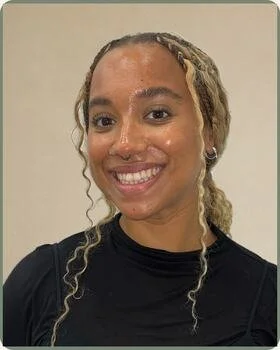
Graciela Barada
PSYCHOTHERAPIST / LMSW
Pronouns: She/Her
Pronunciation: GRAH-SEE-ELLA BUH-RAH-DUH
A Space for Your Story
Graciela is a bilingual therapist who approaches therapy with empathy, curiosity, and respect for each person’s lived experience. She believes you are the expert on your own life and that a trusting therapeutic relationship creates space for self-exploration, personal growth, and healing.
Her work is relational and person-centered, with a commitment to social justice. Graciela works alongside you to build a therapeutic relationship where your voice, experiences, and goals guide the process.
Areas of Support
Graciela supports individuals navigating anxiety, depression, PTSD, complex trauma, relationship challenges, and life transitions. She specializes in working with survivors of intimate partner violence and gender-based violence, immigrant populations, youth and adults of color, and LGBTQ+ individuals. She brings attention to the relationships and social contexts that shape each person’s experience, making room for the ways identity, community, and systems influence well-being.
Therapeutic Approach
Graciela draws primarily from Cognitive Behavioral Therapy, Emotion-Focused Therapy, Narrative Therapy, and Relational Therapy. Guided by evidence-based practices, she integrates these approaches within a collaborative relationship centered on your needs and lived experience.
What You Can Expect
Working with Graciela means having a partner in exploring your experiences with curiosity and compassion. Together, you can make space for difficult emotions, consider how your experiences have shaped your story and relationships, and explore what growth and healing mean to you. Graciela offers secure telehealth therapy in English and Spanish. She is currently available on Mondays, Tuesdays, and Sundays.
Beyond the Therapy Room
Graciela is a writer as well as a therapist. In her writing, she explores questions of identity and social justice, including how our experiences shape what we notice and whose perspectives we hear. In her work with first-generation students, she helps them find their own words for experiences that matter to them as they prepare for college. That work reflects something she values in therapy, too: giving people room to tell their stories in their own voices.

Natalie Renteria
PSYCHOTHERAPIST / MHC-LP
Pronouns: She/THEY
Pronunciation: NAT-uh-lee rehn-teh-REE-ah
A Space for Your Whole Self
As a queer, first-generation Afro-Colombiana, Natalie understands what it can mean to carry more than one world at once—and to search for spaces where every part of you feels welcome. She brings warmth, curiosity, and respect to the therapeutic relationship, recognizing how culture, family, community, and identity shape emotional well-being.
Natalie believes you are the expert on your own life. She creates a collaborative space where you can explore your experiences without judgment, reconnect with your needs, and move toward change at your own pace.
Areas of Support
Natalie provides bilingual therapy in English and Spanish for adults navigating anxiety, depression, trauma, grief, identity concerns, relationship challenges, and life transitions. She especially values working with people who feel caught between cultures, family expectations, or different versions of themselves. Whether you feel overwhelmed, disconnected, or stuck in familiar patterns, Natalie approaches your experiences with compassion—including the parts of you that want change and those that feel uncertain about it.
Therapeutic Approach
Her approach is trauma-informed, culturally responsive, integrative, and holistic. She draws from Internal Family Systems, CBT, DBT, Acceptance and Commitment Therapy, Emotionally Focused Therapy, mindfulness, and somatic practices, adapting the work to your needs and goals.
Together, you may explore patterns that once helped you survive, understand the needs beneath them, and notice how past experiences influence your relationship with yourself, your body, and others.
What You Can Expect
Sessions balance thoughtful reflection with practical tools for everyday life. Your work together may include understanding emotions, strengthening boundaries, practicing communication, and finding ways to feel more grounded and connected.
Natalie values the small, meaningful shifts that make room for greater self-compassion, choice, and trust in yourself. She offers secure telehealth sessions in English and Spanish.
Beyond the Therapy Room
Outside of clinical work, Natalie creates art through painting and photography and is a Reiki practitioner with a background in herbalism and aromatherapy. These practices are separate from her psychotherapy services and reflect her appreciation for creativity, grounding, and the connection between emotional and physical experiences.

Noor Hoda
practice coordinator
Pronouns: She/Her
Pronunciation: NOOR HOH-duh
Noor is often the first person you’ll hear from at Woven Threads. She’s happy to answer questions about our services, help you connect with a therapist who fits what you’re looking for, and walk you through setting up your first virtual session.
Once you’ve started, Noor is still someone you can turn to for the practical details. She helps with appointment changes, verifies insurance benefits, and handles claims and billing questions with care and discretion. She also supports our clinicians and keeps the day-to-day work of the practice organized. Noor has a bachelor’s degree in psychology and enjoys being part of a team that helps people get the care they’re looking for.
Beyond the Role
Noor believes kindness often shows up in small ways, like taking a moment to listen or giving someone time to find their words. She brings that same down-to-earth warmth to Woven Threads. For Noor, the first email is more than a scheduling exchange; it’s a chance to make someone feel a little more at ease about reaching out.
How We Work Together
Woven Threads is shaped by the belief that care is relational. From the first email to the therapy room, we want the process to feel respectful, grounded, and human.
Our team holds both practical details and emotional context with intention, so beginning therapy can feel less confusing and more supported.